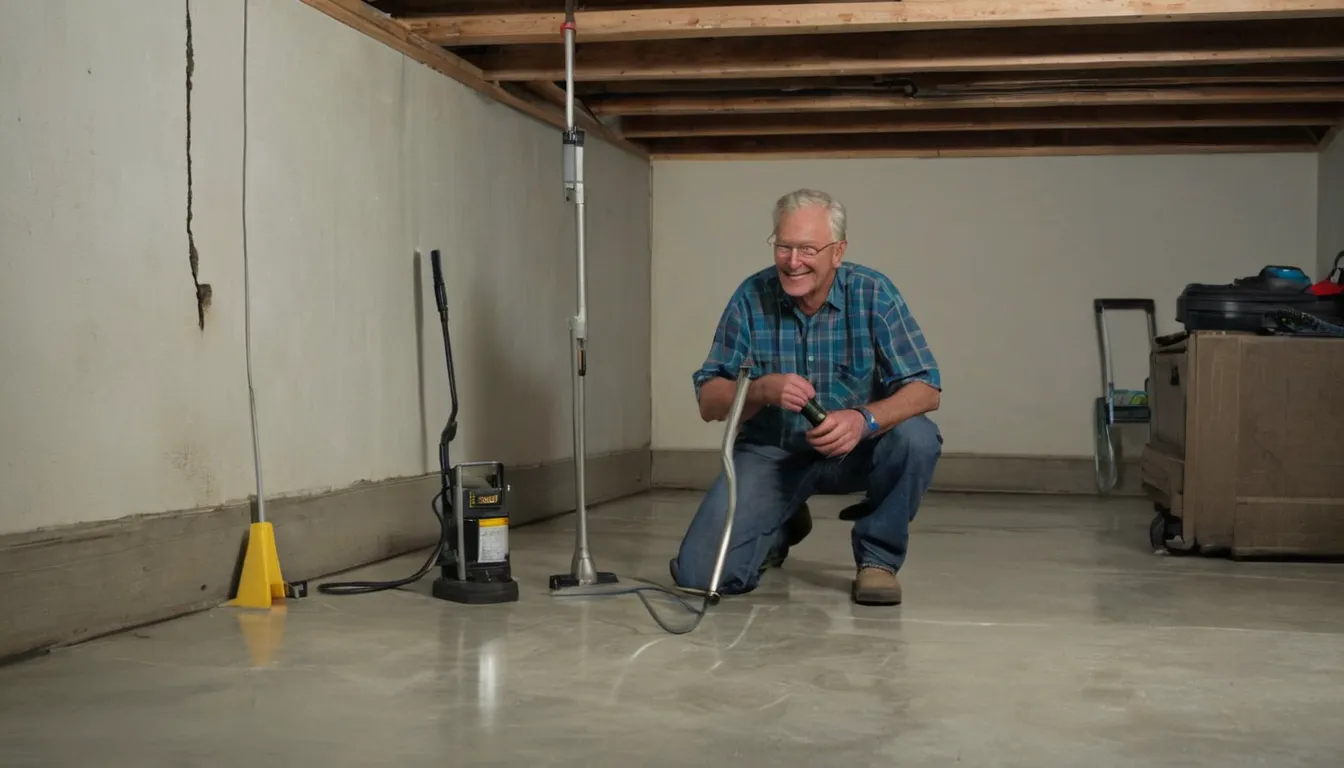
Concrete Floor Coating for Older Homes
Request an estimate and compare
A concrete floor coating is a protective layer that bonds to the slab. It can cover basement floors, porches, workshops and laundry rooms. In an older house, the slab has a history. It may have patches, old paint, past leaks or cracks from deep frost.
Cousinboston Floor Coating is a referral service. We do not do the work. We connect homeowners in the St. Louis area with independent providers in our network. These providers read the slab first, explain what they find, and quote the job in writing. You can compare estimates at your own pace, with no obligation.
Is Your Concrete Showing Wear? Start Here
Look down. Do you see dusting, flaking paint, stains or hairline cracks? Those are signs the surface is ready for a closer look. In older homes, they are also clues about what is under the floor.
A coating can protect and refresh a tired slab. It cannot fix a floor that is wet from below or moving from frost. That is why the first job is always to read the slab.
Do a Safe Walk-Through Yourself
You do not need special tools. Grab a flashlight, a scraper and a roll of clear plastic sheeting.
- Scrape a small spot of old paint or sealer to see what is under it.
- Tape a two-foot square of plastic to bare concrete and leave it for a day or two.
- Look for dampness or dark patches under the plastic.
- Note every crack, and mark any that look wider than a credit card edge.
- Sweep the floor and see how much fine dust comes up.
Take photos. Providers can use them to give you a better first idea of the job.
Where to Stop and Bring in a Provider
Stop if you find active moisture, deep cracks, heaving or a floor that crumbles under a scraper. Stop if you suspect old tile adhesive or paint from a much older era. Some of those materials need careful handling, so ask a provider how to proceed.
Grinding and chemical prep also take the right gear. Dust control matters. This is a good place to let a pro take over.
Basement Floor Coatings
Most basements here have sump pumps. That tells you water has been a topic before. Spring flooding and thawing ground can push moisture up through the slab.
A provider will test for moisture before choosing a product. Some coatings do poorly over damp concrete. Others are made for it. Ask which one they plan to use and why.
If water comes in at the wall joint or through a crack, fix that first. A coating over an active leak will not last.
Old Repairs and Hidden Surprises
Older slabs often carry patches from plumbing work, drain changes or past floods. These patches can be a different hardness than the rest of the floor. They may also take a coating differently.
Thin layers of old sealer or paint can block a new coating from bonding. Prep before polish. A provider may grind the surface or test a small spot to see how it reacts.
Frost Cracks and Slab Movement
Cold winters with deep frost move concrete. Cracks are common in frame houses that have stood for decades. Some are cosmetic. Others keep moving.
Ask the provider how they will treat each crack. Filling a stable crack is routine. A crack that keeps widening may point to a bigger problem, and they should say so plainly.
Patio and Porch Coatings
Porches and patios face rain, hail and hot, humid summers. They also face freeze and thaw. Pick a coating made for outdoor use, and ask about slip resistance for wet steps.
Drainage matters. Water that pools on a porch slab will test any coating. A provider can point out low spots before the work starts.
Workshop and Shop Floors
A shop floor takes hits from dropped tools, rolling carts and spilled oil. Many older bungalows and ranch homes have a basement or garage workbench area.
Tell the provider what you do in the space. Heavy use calls for a tougher system. Light hobby use may not need one. Oil in the concrete needs special attention before any coating goes down.
Laundry Rooms and Other Spaces
Laundry rooms, utility rooms and mudrooms see splashes and leaks. A coated floor wipes clean and shrugs off spills. Check where the floor drain sits, and ask how the coating will meet it.
If you are planning custom floor finishes, such as color flakes or a satin look, ask to see samples in your own light.
Coating vs. Sealing
A sealer soaks in or sits as a thin film. It is lighter duty and often easier to redo. A coating builds a thicker layer on top of the slab.
Sealers suit dry, low-traffic spots. Coatings suit floors that need more color, grip or wear resistance. A good provider will tell you which one fits, even if the answer is the simpler option.
Compare, Then Decide
Get more than one estimate if you can. Do not rush. Lay the written quotes side by side and look at what each one includes.
- Prep method and how deep it goes
- Moisture testing
- Crack and joint repair
- Coating type and number of layers
- Cure time before you can walk or park on it
A lower number can leave out prep. A higher number may include steps that others skip. Ask questions until it makes sense.
Questions to Ask the Installer
- How will you test this slab for moisture?
- What do you do about old paint, sealer or patches?
- How will you handle cracks and control joints?
- What coating do you suggest here, and why?
- What is the cure time, and how should I care for the floor?
- What is covered in writing?
Living With Your Coated Floor
Sweep and damp mop with a mild cleaner. Skip harsh acids and stiff wire brushes. Use mats at doors to catch grit.
Lift heavy items instead of dragging them. Wipe up spills when you see them. Check the floor each spring after the thaw for new cracks or damp spots.
What's Included
Slab Condition Check
A provider looks at cracks, patches, old sealers and dampness before suggesting a coating.
Surface Preparation
Grinding, cleaning and repair steps help the coating bond to older, uneven concrete.
Coating Application
Primer and topcoat layers go on in the order the product maker calls for.
Written Estimate
You get the scope, materials and cure time on paper, so you can compare with calm.
Typical Concrete Coating Costs
Prices vary by slab size, condition, product and region. These typical U.S. ranges are a starting point only. Older floors with repairs often cost more, so get a written quote before you decide.
| Item | Typical range | Notes |
|---|---|---|
| Concrete sealer, per sq ft | $1 – $4 | Lighter duty, dry spaces |
| Basement floor coating, per sq ft | $3 – $10 | Moisture testing may add cost |
| Patio or porch coating, per sq ft | $4 – $12 | Outdoor-rated products |
| Surface grinding, per sq ft | $1 – $3 | Often needed on older slabs |
| Crack and patch repair | $200 – $1,000 | Depends on length and depth |
| Full workshop floor system | $1,500 – $5,000 | Heavy-duty layers and size |
How It Works
Request an Estimate
Tell us about your floor, its age and any past repairs or leaks you know about.
Get Matched Locally
We connect you with an independent provider in our network for your area.
Review the Quote
Compare the written scope, prep and materials, then ask any questions you have.
Decide Your Next Step
Choose a provider, wait, or get another estimate. The choice stays yours.
Why Call Cousinboston Floor Coating
Providers Who Read Slabs
Network providers are used to older concrete, past repairs and the odd surprise under a floor.
Local Knowledge
Frost, spring water and humid summers shape how floors behave here, and local providers know it.
Compare Calmly
Request an estimate, review it at home, and talk with others before you choose anything.
No Obligation
Asking costs nothing to commit to. You decide whether to move ahead, or not at all.
Other Services
Need concrete floor coating in St. Louis?
Tell us about your garage or concrete floor. Independent providers in our network will reach out with options. There is no obligation to hire anyone.
No obligationConcrete Floor Coating FAQ
Can you put a coating over old painted concrete?
Sometimes. Loose or peeling paint must come off first. A provider may test a small spot to see if the old layer bonds well enough or needs grinding.
Will a coating stop moisture coming through my basement floor?
Not always. Moisture should be tested first. Some products handle damp slabs better, but active leaks need fixing before any coating goes down.
How long should I wait before using a newly coated floor?
It depends on the product and the weather. Foot traffic may come first, with heavy loads later. Ask the provider for exact cure times in writing.
Tell us what happened
Tell us about your garage or concrete floor. Independent providers in our network will reach out with options. There is no obligation to hire anyone.
No obligation