Epoxy Garage Floors for Older Homes
Request an estimate from a local provider
An epoxy garage floor is a hard coating rolled over bare concrete. It resists oil, tire marks, road salt and scuffs, and it turns a dusty slab into a clean, even surface. In an older home, though, the slab under that coating has a history. It may hold patched cracks, old paint, past sealers, or damp spots from decades of frost and spring melt. Cousinboston Floor Coating is a referral service that connects homeowners in St. Louis with independent providers in our network who read the slab before they quote.
This page walks you through what to check yourself, what to leave to a pro, and how epoxy systems differ. You will also find typical U.S. price ranges, a plain look at the install steps, and questions worth asking. Compare, then decide. There is no obligation to hire anyone.
Garage Floor Getting Worse? Start Here
Grab a flashlight and walk the slab. Look for flaking paint, crumbling edges, standing water, and cracks that catch your toe. These are the signs that need attention first.
A coating will not fix a floor that is still falling apart. Sort out the worst problems before you pick a color.
Read the Slab Before Anything Else
Older garages hide surprises. Past owners may have patched cracks with whatever was on the shelf. Someone may have rolled on a cheap paint or a sealer years ago. Oil may have soaked deep into the pores.
Tape a clear plastic sheet to the floor, edges sealed, and leave it for a couple of days. Water drops underneath mean moisture is rising through the concrete. Tell every provider what you found.
Why Prep Matters More Than the Product
Prep before polish. Epoxy sticks to clean, rough, dry concrete. It peels from dirty, sealed, or damp concrete, no matter how pricey the kit.
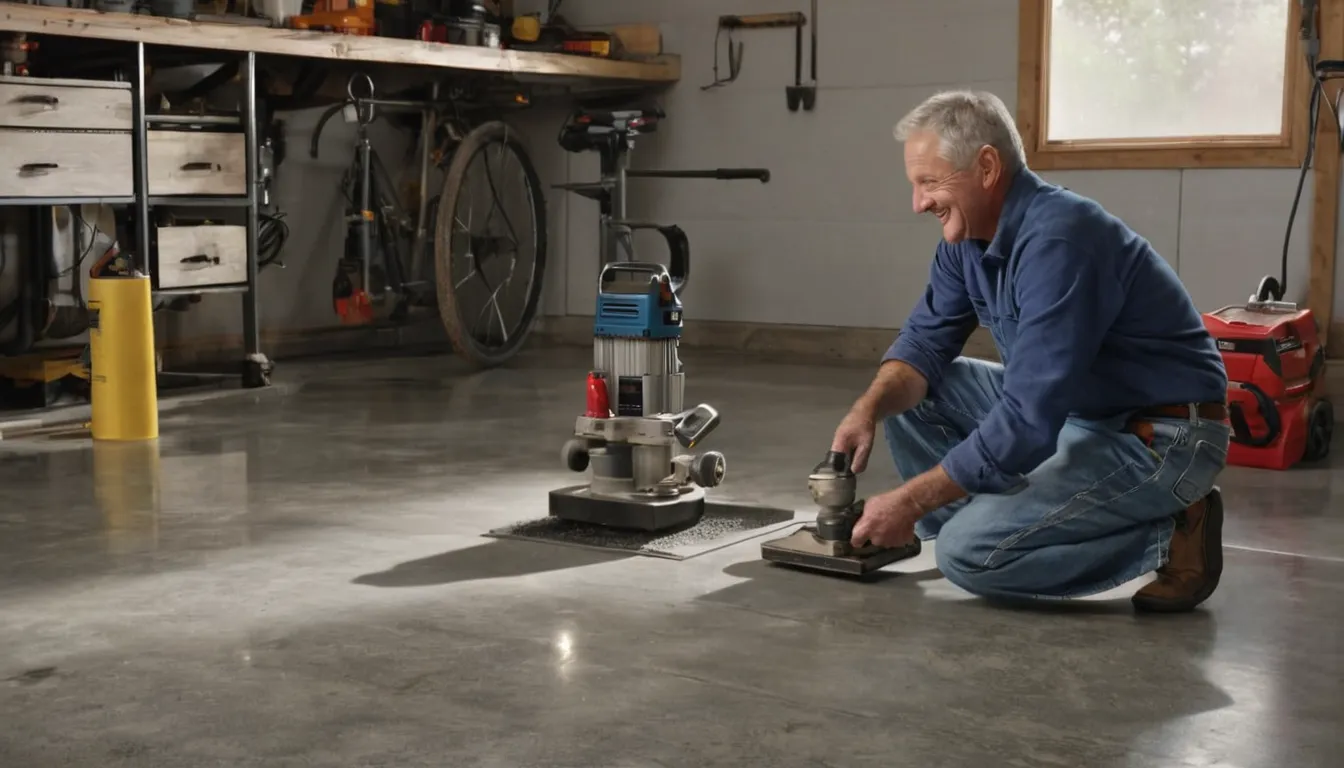
Most providers grind the surface with a diamond grinder and a dust vacuum. That opens the pores so the coating can grip. Acid etching from a jug is weaker and uneven, and it leaves moisture behind.
What You Can Safely Do Yourself
You can clear the garage, scrape loose flakes, sweep, and degrease oil spots with a cleaner made for concrete. You can also note every crack and stain with photos.
Skip the rented grinder if you have never run one. They are heavy, they throw fine dust, and an old slab with unknown paint may carry lead or other hazards. Stop there and bring in a provider.
Cracks, Frost Heave, and Old Repairs
Cold winters push frost into slabs, and spring melt pulls it back out. Hairline cracks are common. Wider cracks that have shifted up or down need real repair first.
A provider may rout the crack, fill it with a flexible repair material, and level the edges. Ask how they treat old patches, since a soft patch can lift under the new coating.
Moisture in Basement-Era Garages
Many older homes sit on damp ground, with sump pumps and spring flooding nearby. Moisture vapor is a common reason epoxy bubbles and lifts.
A provider can test the slab and pick a moisture-tolerant primer if needed. If the water source is a leak or poor drainage outside, fix that before coating.
Common Epoxy Floor Systems
The simplest option is a clear or tinted single coat. It is thin and suited to light-duty garages.
A two-part system adds a base coat, decorative flakes, and a clear topcoat. Flakes hide small flaws, add grip, and suit older slabs with minor staining.
Thicker solid-color systems build more body for rough surfaces. Some providers also offer custom floor finishes, like metallic swirls or quartz blends. Ask to see samples in person.
What a Typical Install Looks Like
A provider usually starts by clearing and inspecting the floor. Then comes grinding, crack repair, and a thorough vacuum.
Next they roll on the primer and base coat, scatter flakes if you chose them, and finish with a clear topcoat. Most jobs take a few days, with cure time between coats.
Expect the floor to stay closed to cars for a while. Ask the provider for exact times for foot traffic and vehicles.
Topcoats and UV Exposure
Standard epoxy can yellow when sunlight hits it through a garage door window or open door. Hot, humid summers speed that up.
A clear topcoat built for UV and wear helps keep color steady and makes the surface easier to clean. Ask what topcoat is in the quote and how it handles hot tires.
Getting the Garage Ready
Empty the garage fully, including shelves, bikes, and the freezer if you can move it. Pull anything hanging on walls near the floor.
Move vehicles out for the whole job and the cure window. Plan where the car will park. If you are also planning hardwood flooring installation inside the house, schedule the garage coating first so grinding dust stays out of new rooms.
Caring for Your New Floor
Sweep or dust-mop often. Wash with a soft mop and mild cleaner. Wipe spills when you spot them.
Use felt or rubber pads under jack stands. Avoid harsh solvents and stiff wire brushes. In winter, rinse off salt slush so it does not sit on the surface.
Compare, Then Decide
Get more than one written quote, with the same scope in each. Put them side by side. Look at prep steps, materials, topcoat, and cure times, not only price.
A lower number can mean lighter prep. Take your time. No one needs to rush you.
Questions to Ask the Installer
- How will you prepare my older slab, and what will you do about old sealers or paint?
- Will you test for moisture before coating?
- How will you handle cracks and past patches?
- What topcoat is in the quote, and is it UV stable?
- How long until I can walk on it and park on it?
- What does the written warranty from the provider cover?
What's Included
Slab Reading
A provider checks cracks, old patches, sealers, and moisture before choosing any coating.
Grinding and Prep
Diamond grinding opens the concrete so the epoxy grips and lasts through winters.
Crack and Joint Repair
Frost cracks and worn joints are filled and leveled so the finish stays smooth.
Color and Topcoat
Choose solid color, flakes, or custom finishes, sealed with a durable clear topcoat.
Typical Epoxy Garage Floor Price Ranges
Prices vary by garage size, slab condition, and the system you pick. Older slabs often need extra repair work. These are typical U.S. ranges only. Always get a written quote that lists prep, materials, and topcoat.
| Item | Typical range | Notes |
|---|---|---|
| Two-car garage, basic epoxy | $1,800 – $3,500 | Simple coat on a sound, clean slab |
| Flake system with topcoat | $2,500 – $5,000 | More coats, hides flaws, adds grip |
| Per square foot, installed | $3 – $12 | Depends on system and prep needs |
| Crack and spall repair | $150 – $1,000 | Larger or shifted cracks cost more |
| Old coating or sealer removal | $1 – $3 per sq ft | Extra grinding on painted slabs |
| Moisture testing and primer | $200 – $1,200 | Higher for damp basement-era slabs |
How It Works
Share Your Garage
Tell us about your slab, its age, any past repairs, and what bothers you.
Get Matched Locally
A provider in our network reaches out to talk through your garage floor.
Compare Written Estimates
Look at prep, materials, topcoat, and cure time before choosing anyone.
Decide With No Obligation
Pick a provider when you feel ready, or walk away. The choice stays yours.
Why Call Cousinboston Floor Coating
Older Slab Focus
Providers in our network are matched with homes that have patched, aged, or frost-worn garage floors.
Calm Comparisons
Review estimates side by side at your own pace without pressure.
Hands-On Guidance
Learn what you can do yourself and where a pro should step in.
Independent Providers
Local providers do the work, so you can choose who fits your garage and budget.
Other Services
Need epoxy garage floors in St. Louis?
Tell us about your garage or concrete floor. Independent providers in our network will reach out with options. There is no obligation to hire anyone.
No obligationEpoxy Garage Floors FAQ
How long do epoxy garage floors last?
Many last ten years or more when the slab is prepared well and the topcoat suits the garage. Moisture, heavy wear, and sun can shorten that. Ask the provider what to expect for your floor.
Can you put epoxy over an old painted garage floor?
Usually the old paint or sealer must be ground off first. Epoxy bonds poorly over loose or slick coatings. A provider can test a small spot and tell you what prep your slab needs.
Can I epoxy my garage floor myself?
Light cleaning and scraping are fine for a homeowner. Full grinding, crack repair, and moisture checks are harder. Kit coatings are thin, so for an older slab, get a provider's written estimate first.
Tell us what happened
Tell us about your garage or concrete floor. Independent providers in our network will reach out with options. There is no obligation to hire anyone.
No obligation