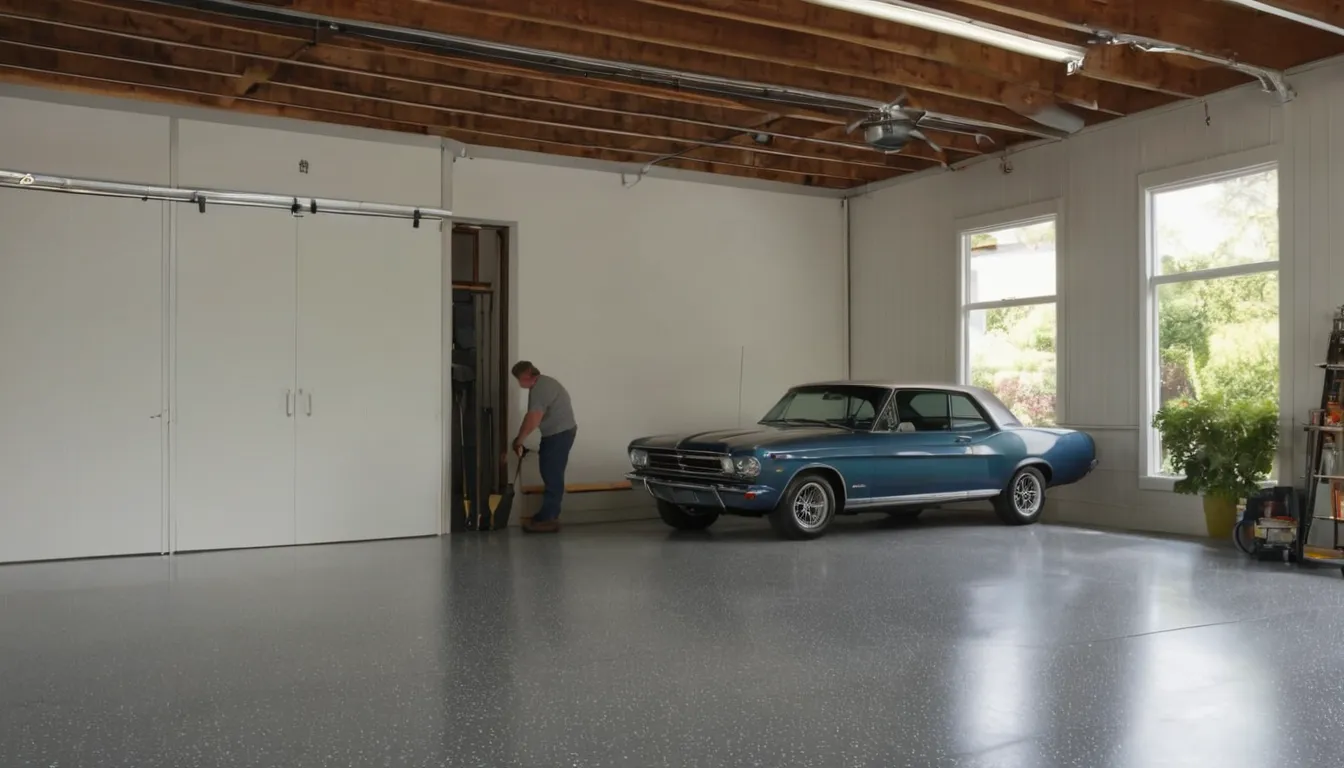
Polyaspartic Floor Coating Services for Your Home
Request an estimate and compare
Polyaspartic is a tough floor coating that cures much faster than standard epoxy. That can mean less time with your garage torn up. It also handles sunlight well, so it suits garages with big doors and bright afternoons.
Speed does not fix a bad slab, though. Older homes often have patched cracks, old sealers, and damp spots that hide under the surface. Cousinboston Floor Coating connects you with independent providers in our network who read the slab first. You can compare estimates, ask questions, and decide with no obligation.
Need Your Garage Back Quickly?
This is the main reason people look at polyaspartic. The coating cures fast. Many jobs finish in a shorter window than a standard epoxy job. That matters if your garage holds the family car, the freezer, and half your tools.
Still, fast cure times depend on the weather, the product, and the slab. Ask each provider for a realistic timeline in writing.
Read the Slab Before You Pick a Product
Older houses hide surprises. A slab poured decades ago may have patches, filled cracks, oil stains, and old paint or sealer. Any of these can make a coating peel.
Here is a quick check you can do yourself:
- Sweep the floor and look in raking light for cracks and patches.
- Tape a clear plastic sheet to bare concrete for a day. Moisture under it points to a damp slab.
- Sprinkle a little water. If it beads up, there may be a sealer or grease.
- Tap along cracks with a hammer and listen for hollow spots.
Write down what you find. A good provider will want to hear it.
How Polyaspartic Differs From Epoxy
Both are two-part coatings. Both bond to prepared concrete. The big differences are speed, flexibility, and sun resistance.
- Cure time: polyaspartic sets up much faster.
- Sunlight: it resists yellowing better than many epoxies.
- Working time: it gets stiff quickly, so installers must move fast.
- Cold weather: it can be applied in cooler temperatures than many epoxies, within product limits.
That quick working time is why this is not a good first DIY roll-out. Mistakes show up fast and are hard to fix.
Full Polyaspartic or a Hybrid System?
Some providers use polyaspartic for every layer. Others put epoxy down as a base and finish with a polyaspartic topcoat. Both can work well.
A hybrid can suit a slab that needs a thicker fill coat or has rough patches. A full system may suit a clean, sound slab where you want the quickest return to use. Ask each provider why they lean one way, then compare, then decide.
Prep Before Polish
Prep is the job. Most failures trace back to it. Providers often grind the surface with a diamond grinder to open the pores of the concrete. Shot blasting is another option.
On older slabs, prep also means:
- Cutting out and refilling crumbling crack edges.
- Removing old sealers that block the bond.
- Treating oil spots that have soaked in.
- Checking moisture before any coating goes on.
You can help by clearing the garage, moving shelves, and scraping loose paint. Leave grinding and crack repair to a provider. The dust and equipment are no small thing.
The Installation Process
The steps are simple to list. They take skill to do well.
- The crew preps and vacuums the slab.
- Cracks and divots get filled and sanded.
- A base coat goes down.
- Decorative flakes are broadcast, if you chose them.
- A clear polyaspartic topcoat seals the floor.
Because the product sets fast, the provider works in sections and plans each step ahead.
Weather and Timing
Cold winters with deep frost, hot humid summers, and spring flooding all shape the schedule. Heat speeds the cure even more. High humidity can cause trouble with some products. Cold slabs can trap moisture.
Many homeowners book in mild stretches of spring or fall. A provider may still work in other seasons. Ask how they check slab temperature and humidity before starting.
If your basement or garage floods in spring, mention it. Water that rises from below can push a coating loose.
Where Polyaspartic Works Well
- Attached and detached garages.
- Workshops and hobby rooms.
- Porches and patios, depending on the product.
- Basement floors that test dry.
- Utility areas and laundry rooms.
It is not a cure for a slab that stays wet. Fix the water first.
Choosing Colors and Flake Blends
A flake blend hides dirt, small flaws, and tire marks. Solid colors look clean but show every scuff. Light grays and tans brighten a dim garage. Darker blends hide more.
Ask to see a sample board in your own garage light. Custom floor finishes, like blended flakes or a metallic look, can cost more and need extra prep.
Caring for a Polyaspartic Floor
Care is easy. Sweep often. Mop with mild cleaner and water. Wipe up salt melt from winter tires so it does not pool. Use a soft pad on the floor for jack stands.
Skip harsh solvents and stiff wire brushes. Ask the provider when it is safe to park on the floor and when to put heavy items back.
Questions to Ask the Installer
- How will you check for moisture?
- What prep method will you use on this slab?
- Is this a full or hybrid system, and why?
- What happens at old cracks and patches?
- What does the written quote include?
- What does the product warranty say, in writing?
Take notes. Compare, then decide, at your own pace.
What's Included
Slab Review
A provider checks cracks, old patches, sealers, and moisture before suggesting any coating.
Surface Prep
Grinding or shot blasting, crack repair, and cleaning so the coating can bond well.
Coating Application
Base coat, optional decorative flakes, and a clear polyaspartic topcoat applied in planned sections.
Final Walkthrough
Care tips and cure timing explained, so you know when to use the floor.
Typical Polyaspartic Coating Costs in the U.S.
Prices vary a lot by slab condition, size, product, and region. These are typical U.S. ranges, not quotes. Get a written estimate from each provider so you can compare the same scope side by side.
| Item | Typical range | Notes |
|---|---|---|
| Two-car garage, full polyaspartic | $3,000 – $7,000 | Depends on size, flakes, and prep |
| Hybrid epoxy and polyaspartic system | $2,500 – $6,000 | Epoxy base with a polyaspartic topcoat |
| Per square foot, installed | $5 – $12 | Higher for custom floor finishes |
| Crack and divot repair | $100 – $800 | Older slabs often need more |
| Old sealer or coating removal | $1 – $3 per sq ft | Extra if layers are thick |
| Moisture testing or mitigation | $100 – $1,500 | Testing is cheaper than fixing a failure |
How It Works
Share Your Slab
Tell us about your garage, its age, past repairs, and any damp spots you have noticed.
Get Matched Locally
Cousinboston Floor Coating connects you with an independent provider in our network near you.
Compare Written Estimates
Look at prep, system type, and timeline side by side before choosing.
Decide and Schedule
Pick the provider that fits, or take more time. There is no obligation.
Why Call Cousinboston Floor Coating
Older Home Know-How
Providers in our network understand aging slabs, past repairs, and hidden moisture that can derail a new coating.
Compare Calmly
Request an estimate, look at the details, and decide at your pace with no obligation.
Honest Referral
Cousinboston Floor Coating connects you with independent providers. The provider does the work, not us.
Plain Answers
Simple talk about prep, timing, and what you can safely do yourself.
Other Services
Need polyaspartic floor coating services in St. Louis?
Tell us about your garage or concrete floor. Independent providers in our network will reach out with options. There is no obligation to hire anyone.
No obligationPolyaspartic Floor Coating Services FAQ
How long does polyaspartic floor coating take to cure?
It usually cures much faster than standard epoxy, and many garages can be walked on within hours. Full cure and vehicle use vary by product, weather, and slab. Ask your provider for exact timing in writing.
Can I put polyaspartic over an old concrete garage floor?
Often yes, if the slab is sound, dry, and properly prepped. Old sealers, oil, and crumbling cracks must be dealt with first. A provider can read the slab and tell you what it needs.
Is polyaspartic better than epoxy for a garage?
It depends. Polyaspartic cures faster and handles sunlight well. Epoxy can cost less and suits some slabs. Many providers combine both. Compare estimates and ask why each provider recommends their system.
Tell us what happened
Tell us about your garage or concrete floor. Independent providers in our network will reach out with options. There is no obligation to hire anyone.
No obligation